


Prof. Igal Talmi, 1925–2026
Prof. Igal Talmi, a leading pioneer of Israeli science and a founder of nuclear physics research in Israel, passed away today, just days after his 101st birthday. Less than two weeks ago, his wife of 77 years, Chana Talmi (née Kivelewitz), passed away at the age of 100.
Talmi was among those who…

Giant Planet’s Slimmer Profile
For over 50 years, we thought we knew the size and shape of Jupiter, the solar system’s largest planet. Now, Weizmann Institute of Science researchers have revised that knowledge using new data and technology.
In a new study published today in Nature Astronomy, Weizmann scientists, who led…

Prof. Reshef Tenne Is the Recipient of the Israel Prize in Chemistry Research
The Israel Prize laureate for 2026 in the field of Chemistry Research and Chemical Engineering is Prof. Reshef Tenne of the Molecular Chemistry and Materials Science Department at the Weizmann Institute of Science. The announcement was made today by Minister of Education Yoav Kisch, on behalf of t…

Rethinking Longevity: Genes Matter More than We Thought
What determines how long we live – and to what extent is our lifespan shaped by our genes? Surprisingly, for decades scientists believed that the heritability of human lifespan was relatively low compared to other human traits, standing at just 20 to 25 percent; some recent large-scale studies eve…

How Rats Avoid Being Fooled by Their Own Whiskers
More than two decades ago, researchers at the Weizmann Institute of Science made an intriguing discovery. Deep within the whisker follicles of rats, they identified a class of sensory neurons that behaved unlike anything known at the time. While the whiskers constantly sweep through the air in rhy…

Memory Particles
In the future, quantum computers are anticipated to solve problems once thought unsolvable, from predicting the course of chemical reactions to producing highly reliable weather forecasts. For now, however, they remain extremely sensitive to environmental disturbances and prone to information loss…

An Alarming Trend Climate Models Are Missing
Alaska’s glaciers are melting at an accelerating pace, losing roughly 60 billion tons of ice each year. About 4,000 kilometers to the south, in California and Nevada, records for heat and dryness are being shattered, creating favorable conditions for wildfire events. One major factor contributing…

Instead of Fighting Cancer Resistance, Put It to Work
One of the most challenging moments in cancer treatment comes when a therapy stops working. In many metastatic cancers, drugs that are initially effective lose their potency over time, as malignant cells acquire mutations that enable them to survive and spread. A new study from Prof. Yardena Samue…

Resurrected Tissue
Like a phoenix rising from the ashes, our skin tissue – and in fact many types of epithelial tissue that lines and covers the body’s organs – can respond to death and destruction with a burst of regeneration. This phenomenon, known as compensatory proliferation, was first described in the 1970s in…

New Study Reveals that Sex Hormones Reset Our Body Clocks
Disruptions to our circadian clocks – the internal molecular timekeepers “ticking” in nearly every cell of our body throughout the day – can lead to a wide range of health problems, from sleep disturbances to diabetes and cancer. But there has been no certainty about the identity of the body’s sub…

The Biochip Built for the Next Pandemic
In 2020, as scientists around the world were racing to understand COVID-19, Prof. Roy Bar-Ziv and his team at the Weizmann Institute of Science started developing a DNA chip that could not only quickly show how our immune system responds to this coronavirus but open new possibilities for swiftly r…

From the Volcanic Crater to the Lab: A Lesson in Survival
“Adapt or perish, now as ever, is nature’s inexorable imperative,” wrote H. G. Wells. This principle – that survival requires change – was mastered billions of years ago by single-celled organisms living in extreme heat. Over the past few decades, studies of these organisms’ adaptive mechanisms ha…

Turning the Tumor’s Shield into a Sword
Immunotherapy, which harnesses our body’s own immune system to fight cancer, has revolutionized modern oncology. Yet despite its success with several cancers, many patients still fail to respond to therapy or experience relapse later on. Scientists have long sought ways to pinpoint how cancer shut…

Bacteria on the Brain
Like a bouncer guarding the entrance to an exclusive nightclub, the blood-brain barrier – a dense layer of cells surrounding the brain’s blood vessels – is regarded as an exceptionally strict gatekeeper. It allows nutrients to pass through but blocks toxins, pathogens and even most drugs from ente…

“Seven Unique Voices in the Symphony of Human Achievement”
“The last two years have been among the most difficult in Israel’s history, and the last several months – the most challenging moment in the history of the Weizmann Institute. Now, we are at a turning point – to what we believe is a better, brighter and promising future.” With these words, Weizman…

The Hidden Waters That Shape the Ocean – and the Climate
We’ve gone to the bottom of the ocean to study how its chemistry shapes our planet’s climate, even chasing lava-spewing underwater volcanoes to do it. But it turns out we may have missed something far closer to home: the water beneath our feet. In a study published recently in Nature Communication…

The Weizmann Institute of Science Ranked Sixth in the World for Research Quality
The Weizmann Institute of Science is placed sixth in the world in the 2025 ranking of research quality published today (Wednesday) by the Centre for Science and Technology Studies (CWTS) of Leiden University, the Netherlands (“Leiden Ranking”). This represents a jump of four places from the 2024 r…

Humanity Rises as Wildlife Recedes: Two Studies Show the Extent of Human Domination over Nature
Life on the move
Wolves roaming the Mongolian steppes cover more than 7,000 kilometers a year. The Arctic tern flies from pole to pole in its annual migration. Compared to these long-distance travelers of land, sea and sky, humans might seem like the ultimate couch potatoes. But a new study from t…
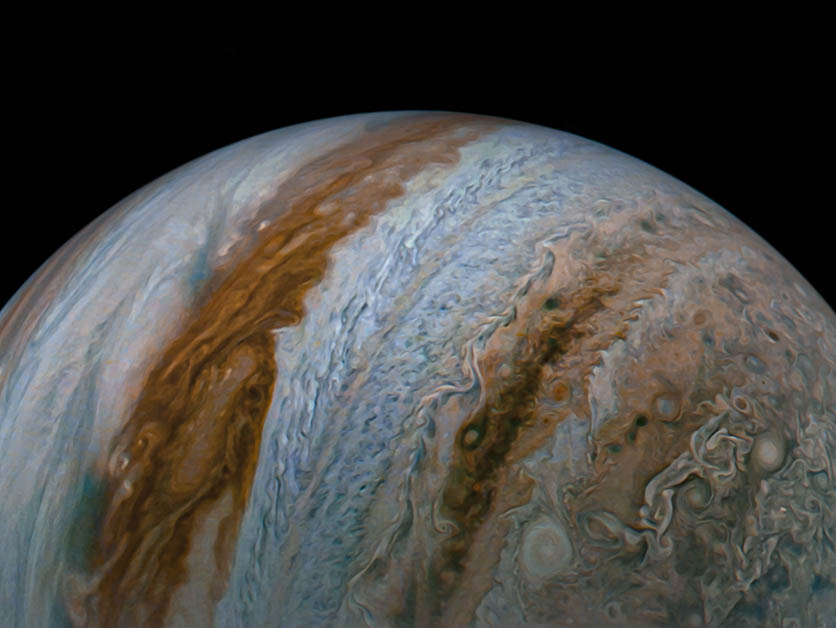
A Simple Explanation for a Cosmic Puzzle
Blasting around the equators of the solar system’s giant planets – Jupiter, Saturn, Uranus and Neptune – are fierce jet streams reaching speeds of 500 to 1,500 kilometers per hour. For years, scientists have puzzled over why these extreme winds blow eastward on Jupiter and Saturn but westward on U…

Out of the Lab and into Nature: Going to the Ends of the Earth to Better Understand the Brain
Some 40 kilometers east of the Tanzanian coast in East Africa lies Latham Island, a rocky, utterly isolated and uninhabited piece of land about the size of seven soccer fields. It was on this unlikely patch of ground that Weizmann Institute of Science researchers recorded – for the first time ever…





Faster, Smarter, More Open: A New Way to Accelerate AI Models
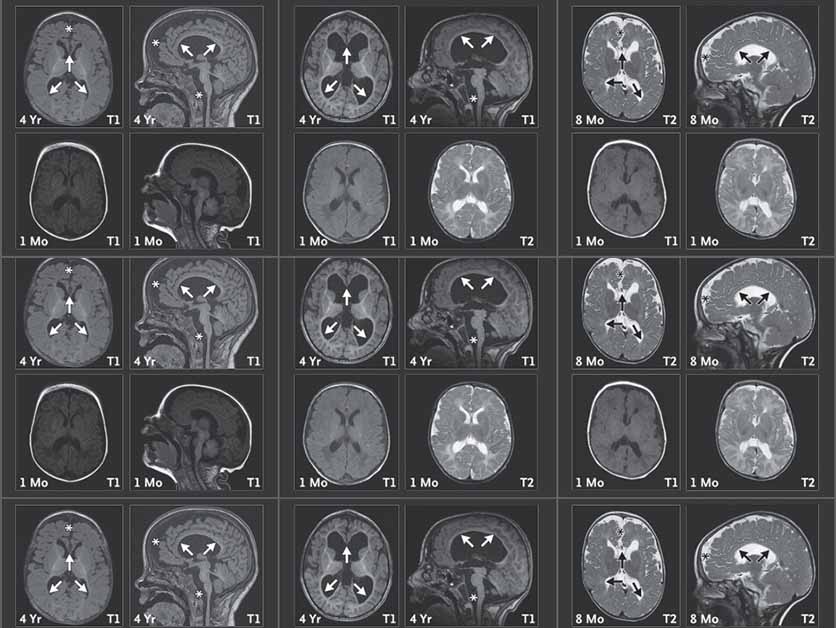
Just as people from different countries speak different languages, AI models also create various internal “languages” – a unique set of tokens understood only by each model. Until recently, there was no way for models developed by different companies to communicate directly, collaborate or combine…

Meet Your Digital Twin
Before an important meeting or when a big decision needs to be made, we often mentally run through various scenarios before settling on the best course of action. But when it comes to our health – be it choosing a treatment for an ailment or even selecting a dietary regimen – it is a lot harder to…

The Dark Side of Time
For nearly a century, scientists around the world have been searching for dark matter – an invisible substance believed to make up about 80 percent of the universe’s mass and needed to explain a variety of physical phenomena. Numerous methods have been used in attempts to detect dark matter, from…
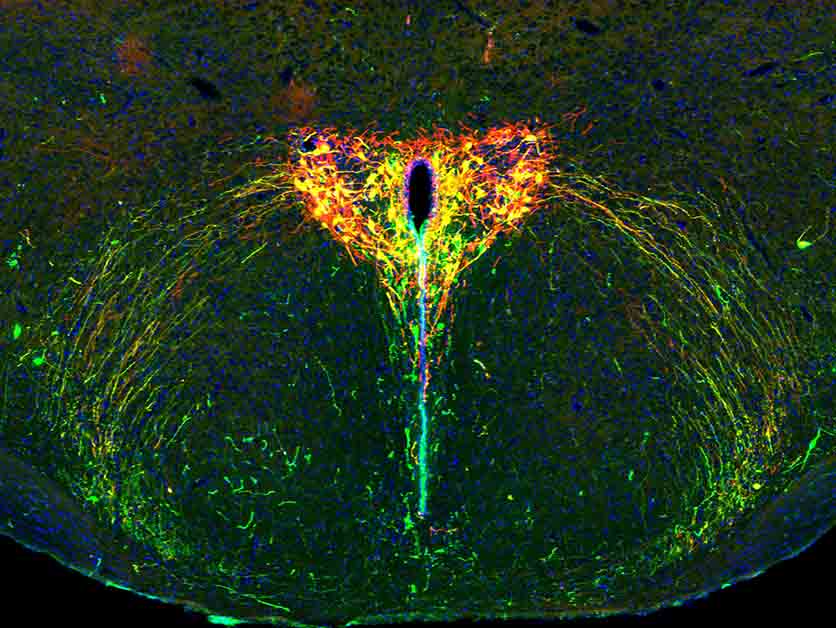
Nerve Cells Learn to Grow
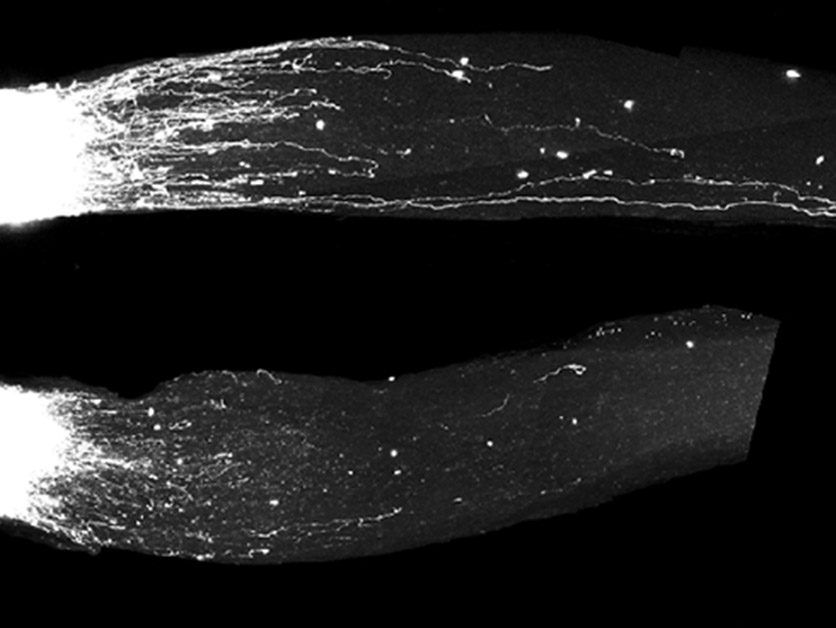
Unlike the brain and spinal cord, peripheral nerve cells, whose long extensions reach the skin and internal organs, are capable of regenerating after injury. This is why injuries to the central nervous system are considered irreversible, while damage to peripheral nerves can, in some cases, heal…

A New Blood Test May Detect Leukemia Risk and Replace Bone Marrow Sampling
What if a blood test could reveal the pace of our aging – and the diseases that may lie ahead? The labs of Profs. Liran Shlush and Amos Tanay at the Weizmann Institute of Science have been conducting in-depth studies into the biology of blood to better understand the aging process and why some peo…

“Science Can Change Lives, Spark Revolutions and Perhaps Even Heal the World”
“If someone told me at the beginning of the way that I’d be the one standing here today, speaking at the graduation ceremony, I would have probably smiled and said: ‘No way.’ The road to this point was anything but obvious, but it was full of faith, hard work, formative experiences and rare opport…
Sensing Fat
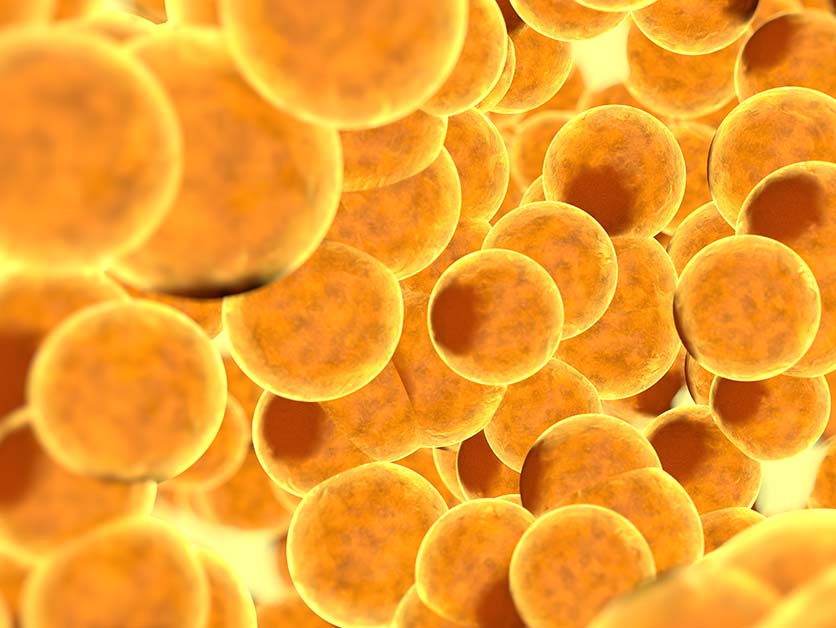
Popular belief holds that our senses gather information only about the external world, but many of our sensory systems also monitor our internal environment, enabling the body to regulate its own functions. In a new study published in Cell Metabolism, researchers from Prof. Elazar Zelzer’s lab at…

Food: Friend, Not Foe – New Study Explains Why
If we have an allergy to peanuts, strawberries or dairy, we are quick to blame our immune systems. But when we enjoy a diverse diet without any adverse reaction, we generally don’t realize that this is also the immune system’s doing. Our blissful freedom from treating steak or cabbage – essentiall…
MRI Gets a Nano-Sized Upgrade
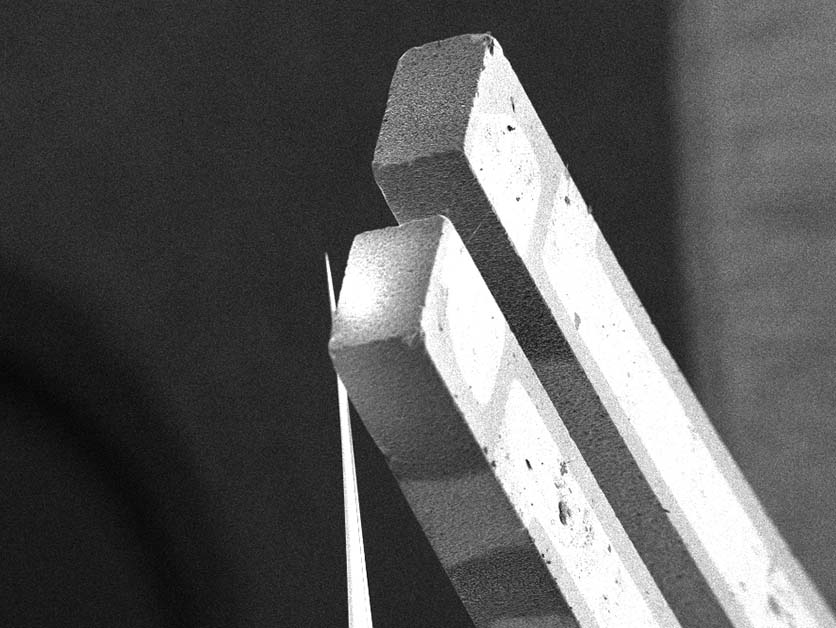
Conventional MRI scans, familiar to us from hospitals, have a resolution of around one-tenth of a millimeter, which allows them to image incredibly thin slices of our bodies, from head to toe, helping physicians diagnose a variety of medical conditions. Even this ultra-high resolution, however, is…
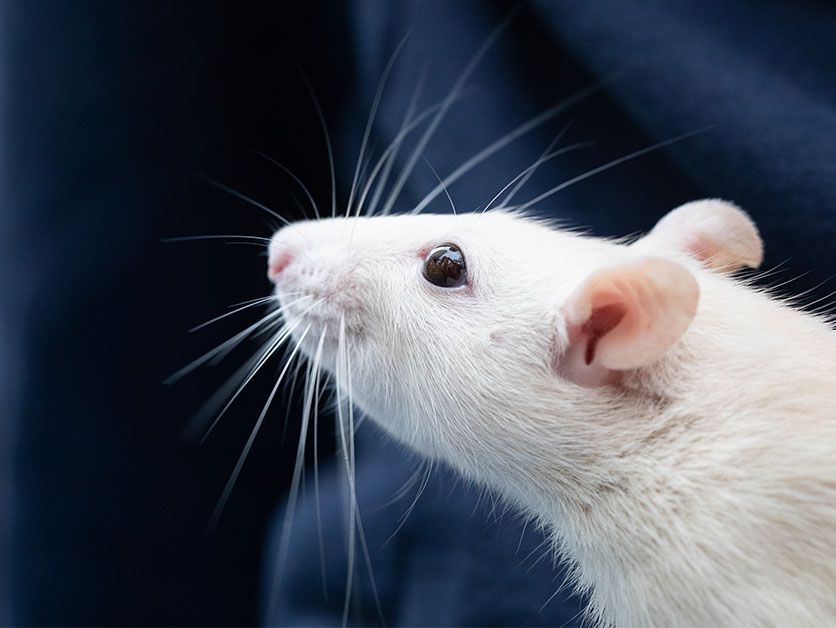
Whisker Whisperers
Nestled in dark burrows, with a limited sense of vision, mice brush their whiskers against their environment to navigate and to detect objects around them. This behavior, termed whisking, has been extensively studied in the past few decades and has traditionally been viewed as purely an act of tou…

Cracking the Disorder
The materials that make up all the structures and physical systems around us, including our own bodies, are not perfect – they contain flaws in the form of tiny cracks. When one of these cracks suddenly and rapidly spreads, it can be life-threatening, but the rich, intricate patterns formed by cra…
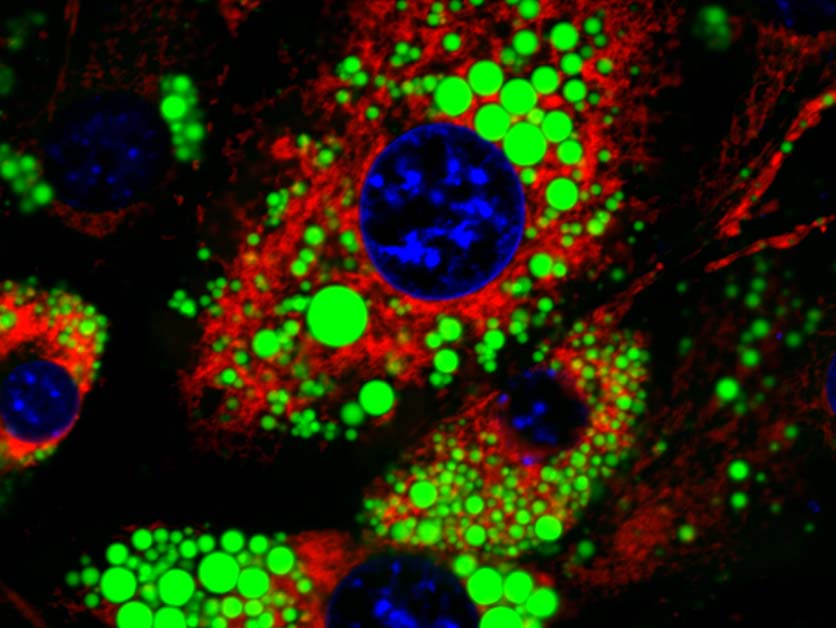
Slimming with Mitch
Innovative weight-loss drugs burst onto the scene around 10 years ago, promising a healthier, slimmer world. The downside, however, is that these drugs lead to a decline in muscle mass. Several years ago, through a serendipitous discovery, Prof. Atan Gross of the Weizmann Institute of Science came…

Radar Knows Best: New Technology Monitors Health Remotely
At the beginning of the COVID pandemic, Prof. Yonina Eldar launched an unusual appeal. She called upon physicians from all over Israel to join her online in a brainstorming session to identify the most pressing needs of an overloaded healthcare system. “In the midst of the health crisis, I felt fr…

Wake-Up Call for Dormant Cancer
Breast cancer is becoming increasingly treatable, but in some cases the disease can resurface even decades after a patient has been declared cancer free. This is because of cells that detach from the original tumor and hide in a dormant state in the breast or other organs. Little is known about th…

Beyond Words
The AI revolution, which has begun to transform our lives over the past three years, is built on a fundamental linguistic principle that lies at the base of large language models such as ChatGPT. Words in a natural language are not strung together in random patterns; rather, there is a statistical…

“Bridges of Understanding and Innovation”
Kator David Igbudu, a lecturer in the University of Nigeria’s Public Health Department, takes an active part in local initiatives against malaria and HIV. He involves youth in community campaigns to distribute mosquito nets and supports victims of sexual violence. “My passion to act toward prevent…

The Master Switch Turning Immune Cells into Cancer Eradicators
To grow, cancer tumors must hijack the immune system for their needs. One of the main tricks that most tumors use is to manipulate a type of immune cell called a macrophage, causing it to protect the tumor from the rest of the immune system, recruit blood vessels and help the cancer spread to othe…
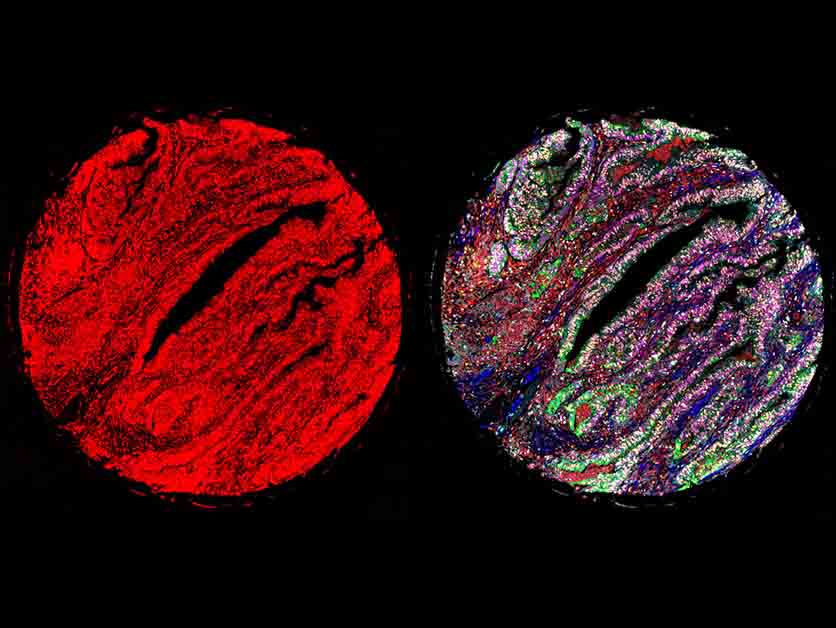
Multiple Proteins Viewed as Never Before
AI systems already work their magic in many areas of biomedical science, helping to solve protein structure, discover hidden patterns in the genome and process massive amounts of biological data. Now, an AI-assisted technology developed at the Weizmann Institute of Science and described in Nature…
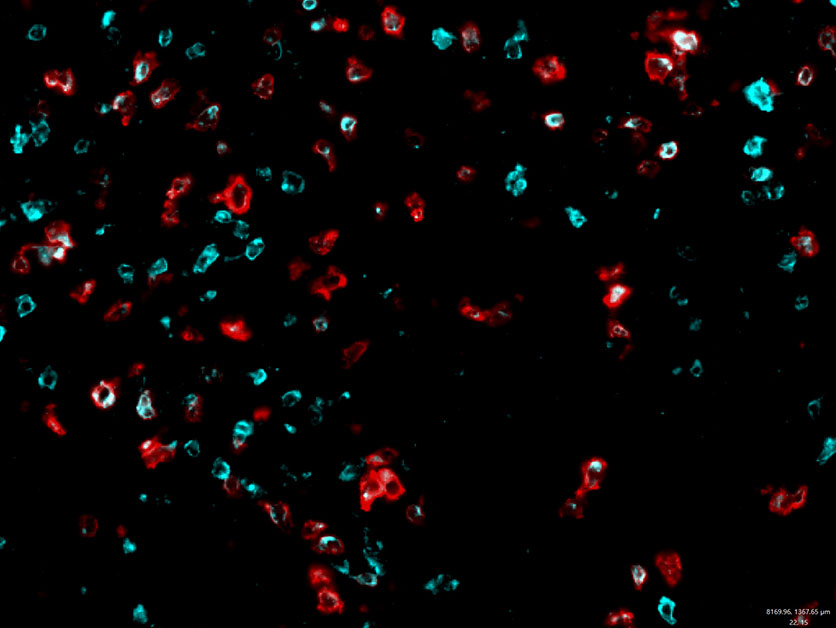
Getting Cancer to Expose Itself
When your social media account starts spewing out nonsensical or threatening status updates, it’s safe to assume that it has been hacked and must be shut down. The cells in our body also update their “status” by presenting to their environment small proteins that are constantly being produced insi…
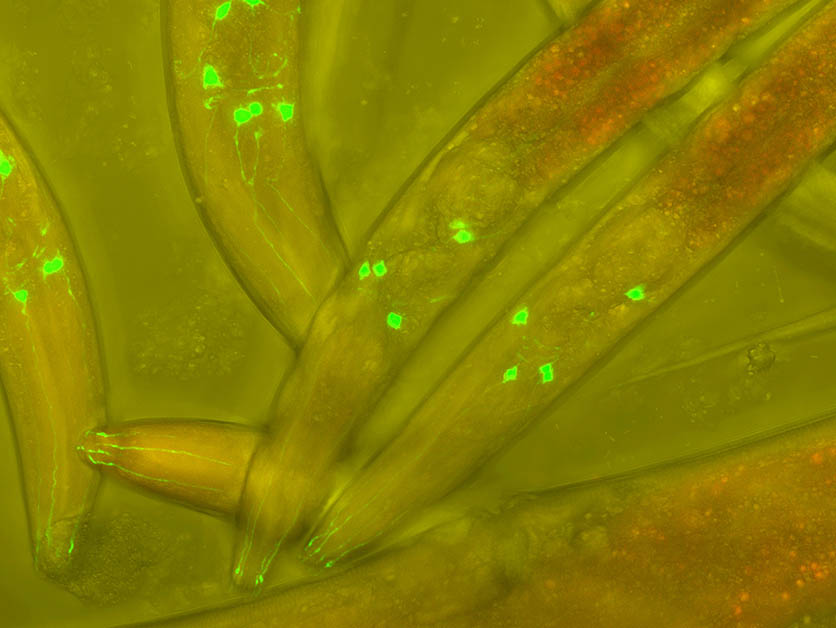
They’d Rather Die: The Lesson That Male Roundworms Refuse to Learn
In human society, men tend to be seen as risk-takers, while women are seen as being more cautious. According to evolutionary psychologists, this difference developed in the wake of threats to each sex, and their respective needs. While such generalizations are, of course, too binary and simplistic…
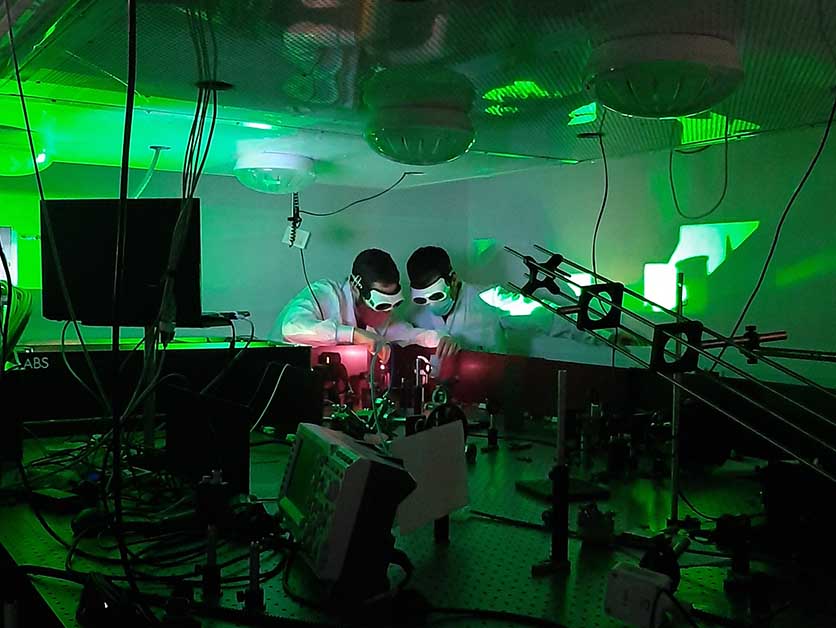
Matter at the Crossroads
Instantly turning a material from opaque to transparent, or from a conductor to an insulator, is no longer the stuff of science fiction. For several years now, scientists have been using lasers to control the properties of matter at extremely fast rates: during one optical cycle of a light wave. B…
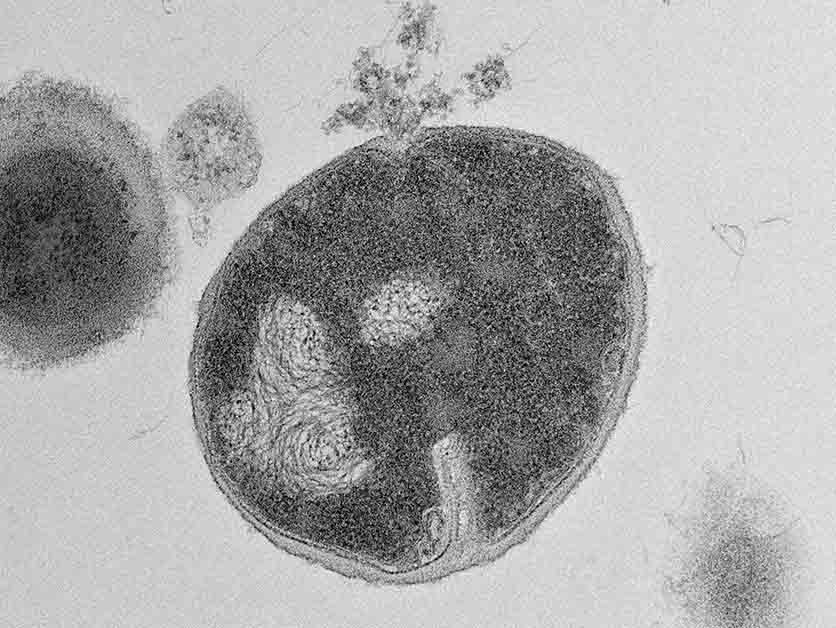
New Immune Mechanism Revealed in the Cellular Trash
Much like humans generate mountains of garbage, our cells are constantly discarding proteins that are damaged or no longer needed. The cellular waste disposal system called the proteasome is best known for its central role in protein degradation and recycling, but as far back as the 1990s it was s…

When Proteins Go on Strike
A basic business principle is that no worker is irreplaceable; that also holds true for most proteins, the cellular factory workers of our bodies. If we fire a protein – that is, permanently delete it from our genome using genetic engineering – the cell will likely initiate a compensatory mechanis…
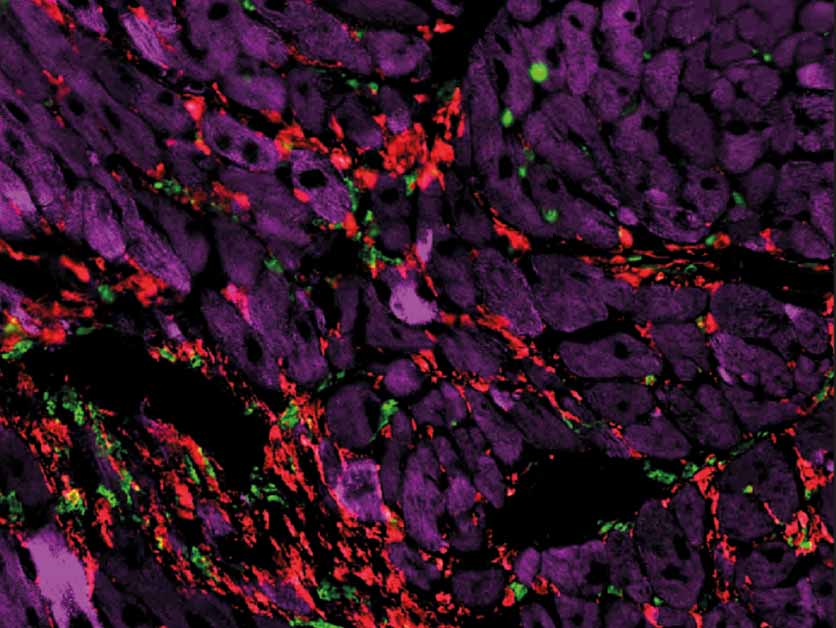
A Broken Heart: Two Types of Scars, Two Paths to Healing
Not all scars are created equal. That’s the conclusion of a new study by Weizmann Institute of Science researchers: They found that two distinct types of scars, referred to as “hot” and “cold,” can form in the diseased heart, and that these two types call for entirely different treatments. As repo…
Seeding the Passion
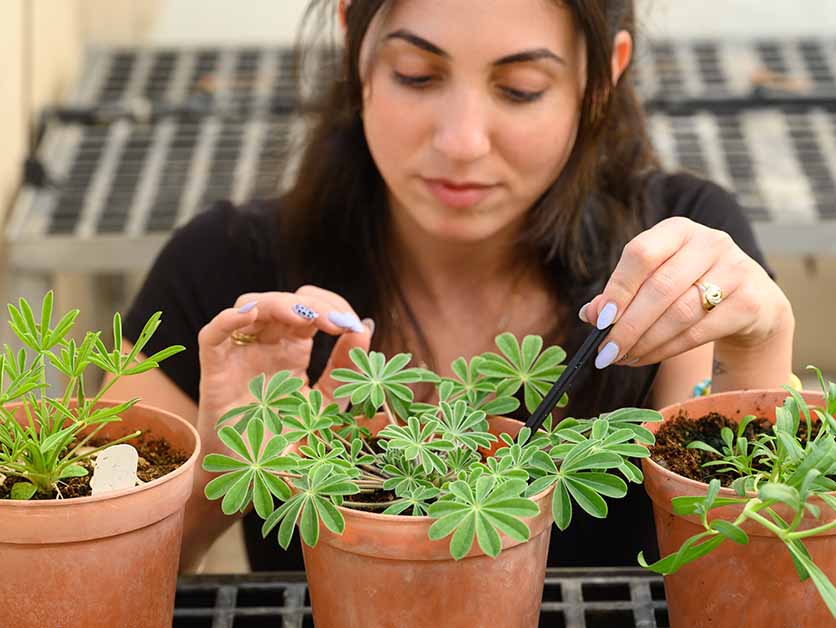
When PhD student Gal Raviv thought of creating a sanctuary garden at the Weizmann Institute of Science, what she had in mind was saving endangered plants. But after the October 7 attack on Israel, the recently established garden became for her a refuge of serenity and strength. “There’s something…

Training Future Physician-Scientists: The Weizmann Institute Receives Approval for a New Medical School
Whether it’s artificial intelligence, computational biology or medical engineering, the worlds of medicine and science are facing a whole series of revolutions. In an attempt to address these emerging challenges, the Weizmann Institute of Science has developed a unique program to train the next ge…
The Short and the Long of Protein Tails
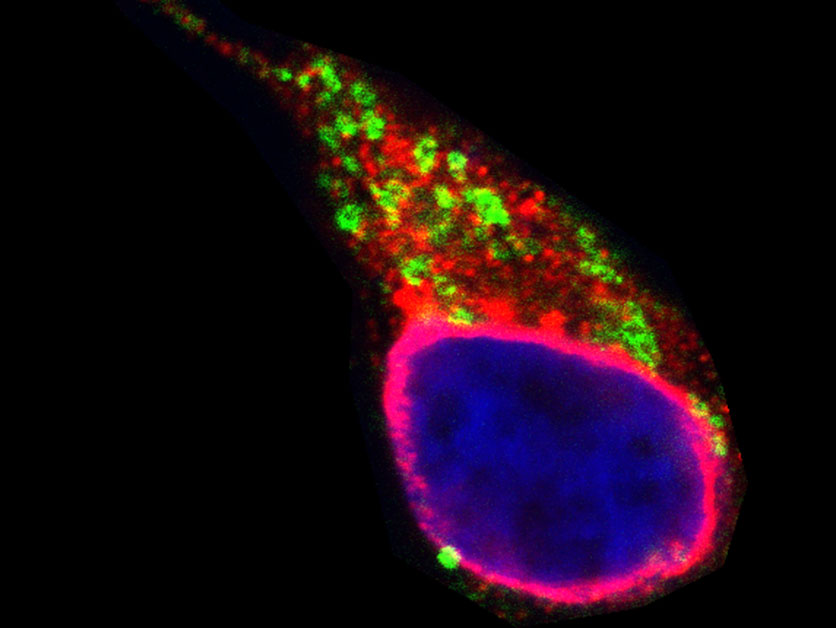
The fatty membrane surrounding every living cell is a vibrant environment where countless biological processes take place. This membrane protects the cell from its surroundings and divides it into internal compartments; it is responsible for metabolism, energy production, communication with other…

Prof. Yonina Eldar Is the Recipient of the Israel Prize in Engineering
The Israel Prize laureate for 2025 in the field of Engineering Research and Engineering Sciences is Prof. Yonina Eldar from the Computer Science and Applied Mathematics Department at the Weizmann Institute of Science – as announced today by Education Minister Yoav Kish on behalf of the prize commi…
We Know What You Ate: Detailed Protein Maps Assess Intestinal Health
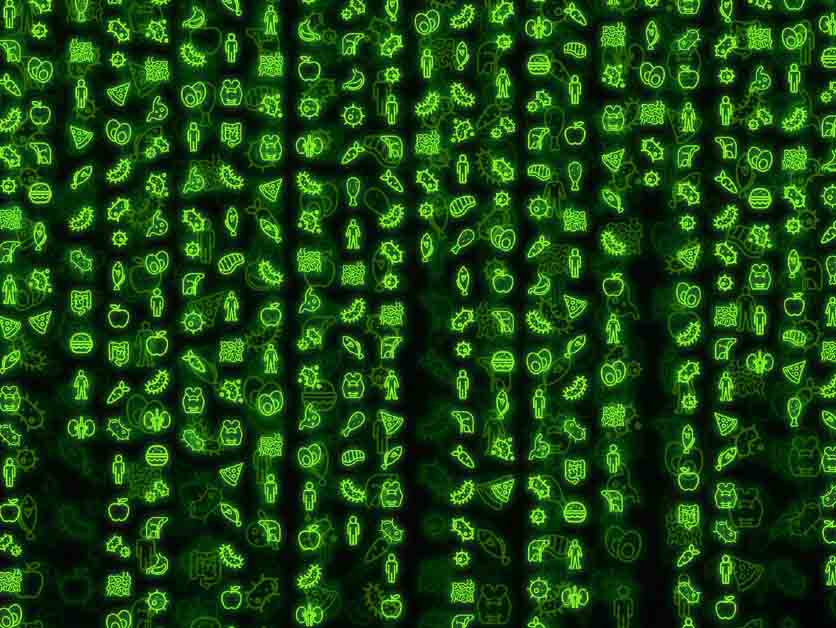
If the organs in our bodies could talk, the intestines might be the ones to divulge the most hidden truths about our lifestyle and health. Along the way, their “confessions” could supply crucial information for biomedical and clinical research. Weizmann Institute of Science researchers have now gi…
On the Way to Building Better Batteries
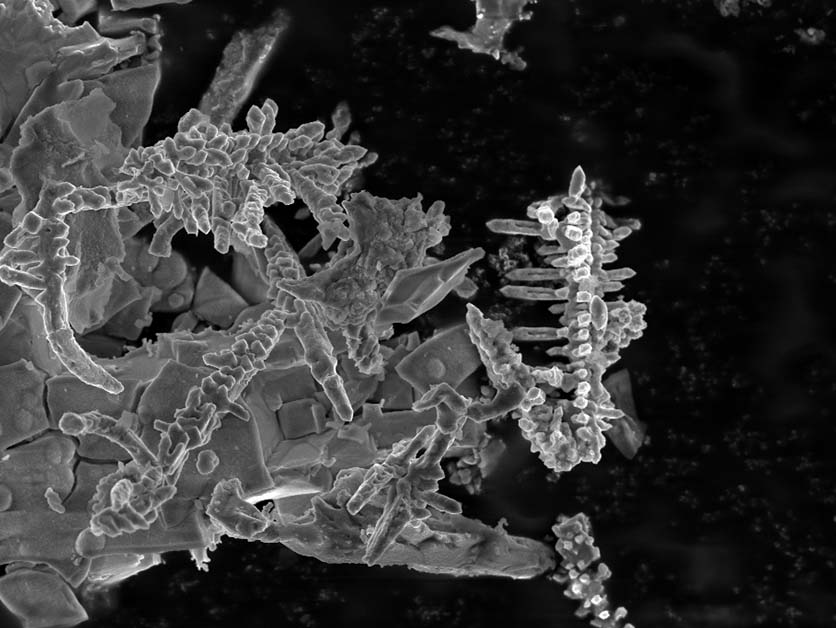
When we plug in our cell phones to charge them, we take it for granted that they’ll soon be brimming with energy for scrolling, texting and receiving news alerts. But the technology powering this – rechargeable lithium-ion batteries – heralded a genuine technological revolution when these batterie…

Weizmann Institute of Science Moves to 100% Green Electricity
The Weizmann Institute of Science is switching to the use of only green electricity and is becoming an almost fully renewable energy campus – alongside making sustainability and climate change a central theme of its research efforts. This shift brings many benefits, from assuming environmental res…